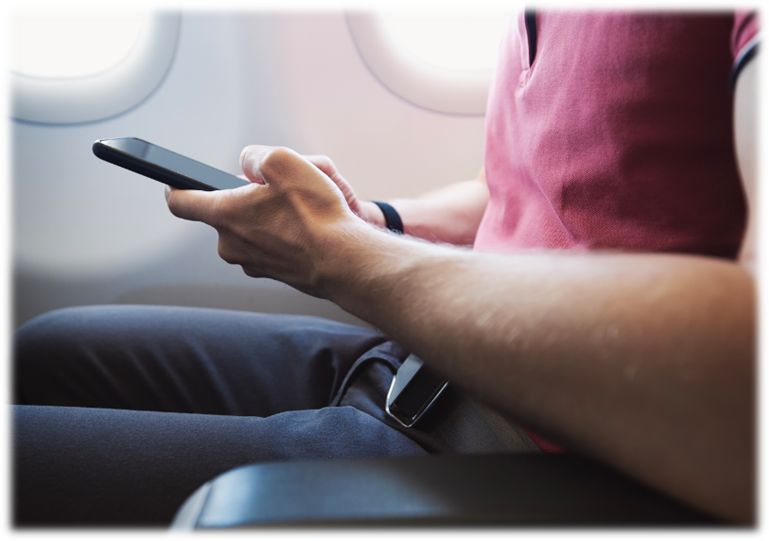
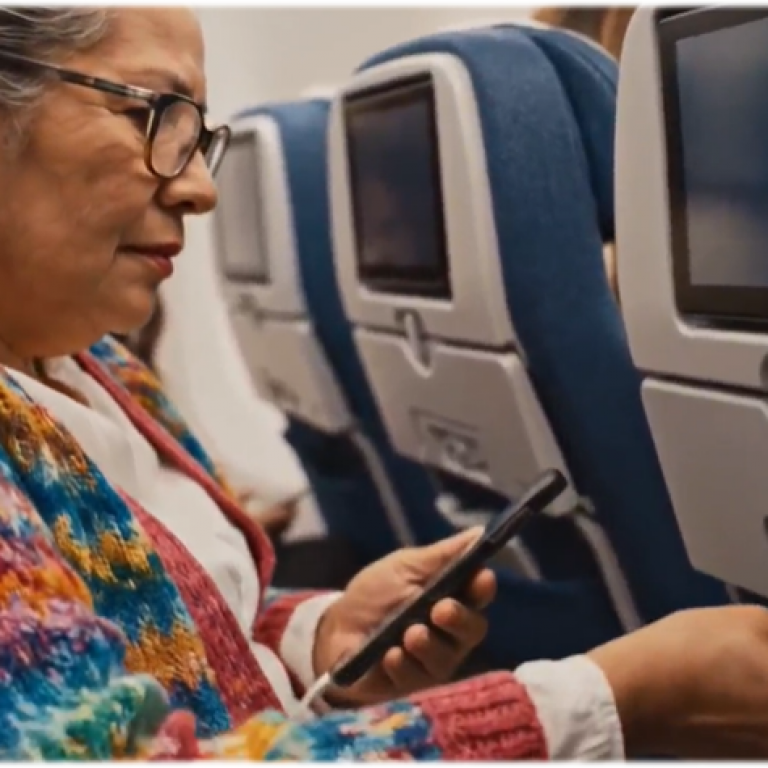


Today’s passenger does not travel with paper in a document wallet anymore – they travel with a phone.
It is their ticket, wallet, telephone, work tool, map, translator, and entertainment system. In today’s world, travelling without access to a power source is not just inconvenient; it is anxiety-inducing.
And anxiety creates a change in traveller behaviour.
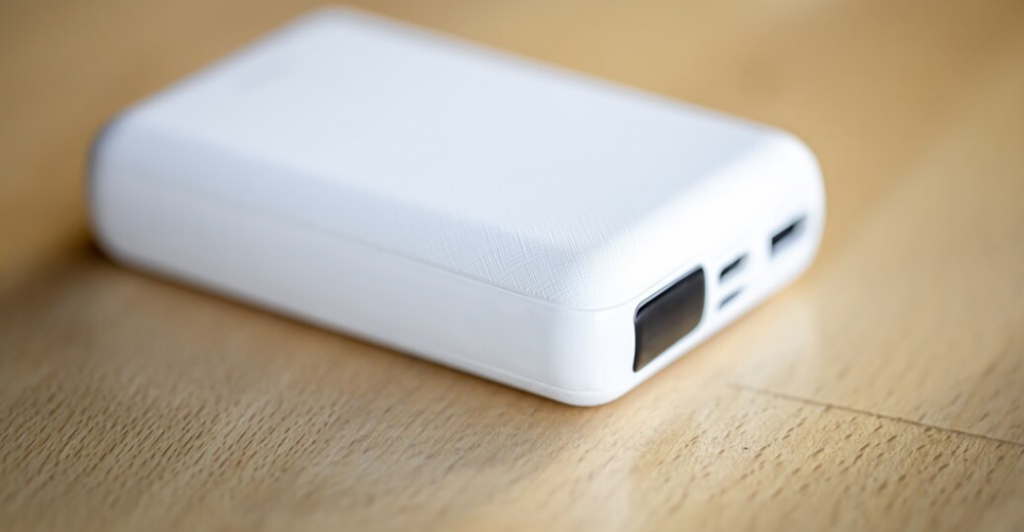
Passengers now carry multiple devices, including power banks to remain in control
and keep devices charged away from home
We cannot make battery anxiety vanish; it is too ingrained – we can design it out.
Lithium-ion batteries, particularly power banks are already a known operational challenge for airlines.
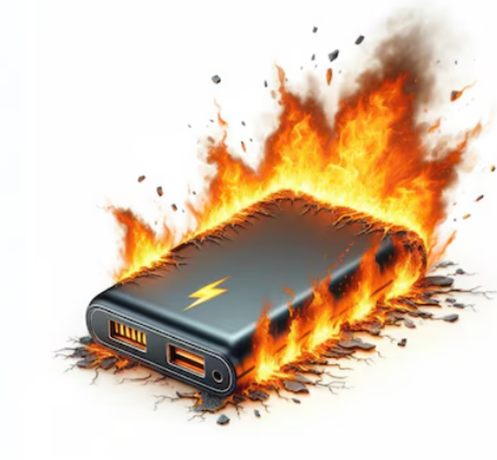
While incidents remain statistically low, the number of recorded battery related incidents onboard aircraft has steadily increased over recent years as user device dependency has grown and the quality of power bank cannot be managed by the airlines.
Overheating, smoke, thermal runaway – these are not theoretical risks. They are documented realities that cabin crew are trained to manage.
The real issue isn’t passengers carrying power banks, it’s that they have to carry them on aircraft to ensure access to reliable power when they need it. Temporary fixes, restrictions, and complicated rules only address the symptom, not the problem. The solution is straightforward: equip every seat with dependable, accessible power, so passengers can stay connected, productive, and comfortable throughout their flight.
In-seat power changes the equation entirely.
When power is reliable and available at every seat, passengers do not need to ration battery life and can relax into their flight.
They stop travelling defensively with planned reliance on external, potentially hazardous battery packs as their source of power.
This is not just about convenience, or passenger satisfaction, this is about traveller demand influencing future aircraft cabin interior requirements.
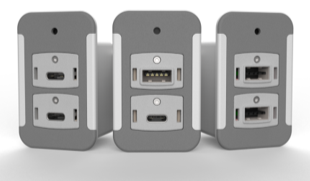
New aircraft will probably come equipped with in-seat power, but for the thousands of aircraft out there in service, and flying for many years to come part of their forward maintenance and upgrade plan needs to be a power retrofit strategy.
Aircraft cabins where in-seat power is universally available (irrespective of aircraft type, cabin class, or flight duration):
• Reduces reliance on personal power banks.
• Improves passenger confidence and comfort.
• Supports modern digital travel habits.
• Aligns with evolving safety and operational considerations.
From a commercial standpoint, it is an accurate reflection of how people actually travel today – always connected, always mobile, increasingly more digital.
The aircraft cabin has evolved dramatically over the years, but the assumption that passengers can make do without power no longer holds. Not when the phone in their pocket is their lifeline to the world beyond the cabin door.
Providing in-seat power for all seats is not a luxury upgrade. It is a response to reality.
Until battery anxiety is removed and power is available everywhere, passengers will continue to solve the problem themselves by bringing more batteries onboard.
The question for operators is no longer if in-seat power should be prioritised, but when.
| Cookie | Duration | Description |
|---|---|---|
| cookielawinfo-checkbox-analytics | 11 months | This cookie is set by GDPR Cookie Consent plugin. The cookie is used to store the user consent for the cookies in the category "Analytics". |
| cookielawinfo-checkbox-functional | 11 months | The cookie is set by GDPR cookie consent to record the user consent for the cookies in the category "Functional". |
| cookielawinfo-checkbox-necessary | 11 months | This cookie is set by GDPR Cookie Consent plugin. The cookies is used to store the user consent for the cookies in the category "Necessary". |
| cookielawinfo-checkbox-others | 11 months | This cookie is set by GDPR Cookie Consent plugin. The cookie is used to store the user consent for the cookies in the category "Other. |
| cookielawinfo-checkbox-performance | 11 months | This cookie is set by GDPR Cookie Consent plugin. The cookie is used to store the user consent for the cookies in the category "Performance". |
| viewed_cookie_policy | 11 months | The cookie is set by the GDPR Cookie Consent plugin and is used to store whether or not user has consented to the use of cookies. It does not store any personal data. |